Submerged and Safe: A Structured Guide to Cave Diving in the United States

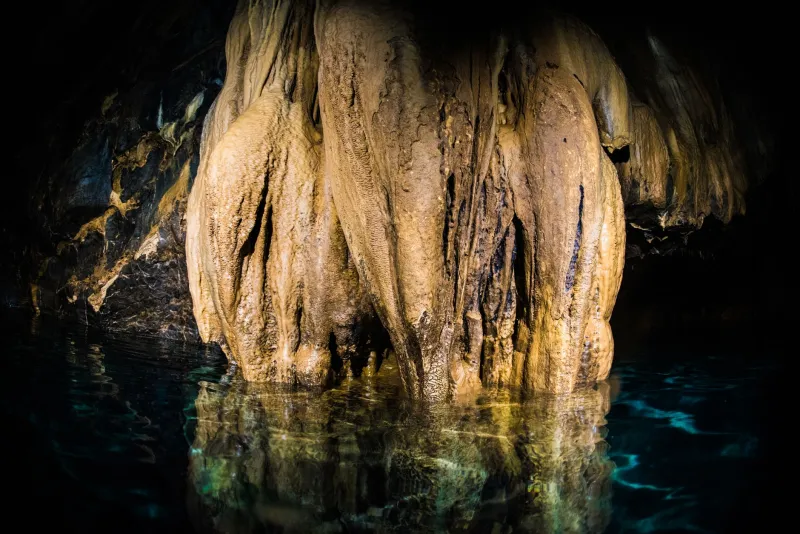
Photo by Photo by Valeriia Neganova on Unsplash on Unsplash
Cave diving occupies a unique intersection between subterranean exploration and technical diving. It demands rigorous preparation, specialized equipment, and a disciplined approach to risk management that distinguishes it fundamentally from recreational open-water diving. Yet for those who complete the necessary training, flooded cave systems offer access to geological formations, hydrological data, and biological communities that are simply unreachable by any other means.
This guide is intended for divers who are considering entering the cave diving discipline — not as a shortcut to adventure, but as a structured introduction to the skills, certifications, and site knowledge that make responsible cave diving both achievable and rewarding.
Understanding the Risks Before You Enter the Water
The statistics surrounding untrained cave diving fatalities are unambiguous and sobering. The majority of cave diving deaths in the United States have involved divers who lacked formal cave diving certification, had inadequate gas supplies, used improper equipment, or lost the guideline connecting them to the cave entrance. These are not freak accidents — they are predictable outcomes of entering an overhead environment without the preparation it demands.
Caves offer no direct ascent to the surface. A diver who encounters a problem — equipment failure, disorientation, medical emergency — cannot simply swim upward to safety. Every contingency must be anticipated and planned for before the dive begins. This reality is not presented here to discourage participation, but to establish the foundational premise of cave diving: systematic preparation is not optional. It is the discipline itself.
The Certification Pathway: A Step-by-Step Framework
Cave diving certifications in the United States are structured as a progressive ladder, with each level building on the skills and experience of the previous one. Two major agencies — the National Speleological Society Cave Diving Section (NSS-CDS) and the National Association for Cave Diving (NACD) — are the primary credentialing bodies recognized by the cave diving community.
1. Open Water Certification
Before any cave-specific training begins, divers must hold a recognized open water certification from an agency such as PADI, NAUI, or SSI. A minimum of 25 logged open water dives is typically required before proceeding to cavern training.
2. Cavern Diver Certification
The cavern level introduces divers to overhead environments while maintaining the safety of natural light and a direct visual connection to the open water. Cavern diving is conducted within 130 feet of the surface entrance and within the zone of natural light penetration. This certification is appropriate for divers who wish to explore the entrance zones of flooded caves under guided conditions.
3. Introductory Cave Diver Certification
This intermediate level extends training into the true overhead environment beyond natural light, with restrictions on depth, penetration distance, and gas supply management. Divers learn the rule of thirds — a gas management protocol requiring that one third of the total gas supply be reserved for the outbound journey, one third for the return, and one third held in reserve for emergencies.
4. Full Cave Diver Certification
The full cave certification removes the penetration restrictions of the introductory level and introduces more complex skills including navigation through multiple guideline systems, team diving protocols, and management of more demanding cave environments. This is the baseline credential for independent cave diving in the United States.
5. Advanced and Technical Cave Specialties
Beyond the full cave rating, divers may pursue specializations in sidemount configuration, rebreather use, deep cave penetration, and survey diving — each requiring dedicated instruction and demonstrated competency.
Essential Equipment for Cave Diving
Cave diving equipment differs meaningfully from standard recreational gear. The following items represent the baseline requirements for entry into a true cave environment:
- Primary and backup lights: Three independent light sources are the minimum standard. Cave environments are in total darkness beyond the entrance zone, and light failure without a backup constitutes a life-threatening emergency.
- Primary guideline reel: A continuous guideline connecting the diver to the cave entrance is non-negotiable. Divers must maintain physical contact with or visual reference to this line at all times.
- Redundant buoyancy systems: Both a primary BCD and a drysuit (or redundant wing) provide backup buoyancy control if one system fails.
- Redundant gas supply: Twin cylinders with independent valves and regulators, or a sidemount configuration with two separate cylinders, ensure that a single regulator failure does not strand a diver without breathing gas.
- Submersible pressure gauges on each cylinder: Gas monitoring must be continuous and precise.
- Cutting tools: Line entanglement is a recognized hazard in cave environments. At least one cutting tool should be immediately accessible.
Ten Accessible Cave Diving Sites in the United States
The following sites represent a range of conditions, depths, and geological character suitable for certified cave divers at various experience levels. Divers are strongly encouraged to consult with local dive operators and review current site conditions before any dive.
1. Ginnie Springs, High Springs, Florida
One of the most visited cave diving sites in the world, Ginnie Springs offers exceptionally clear water with visibility frequently exceeding 100 feet. The Devil's Eye and Devil's Ear systems provide multiple guideline routes suitable for divers from introductory through full cave certification levels.
2. Blue Grotto, Williston, Florida
A privately managed site offering a large cavern zone and a deeper cave passage descending to approximately 100 feet. Blue Grotto is particularly well-suited for cavern and introductory cave divers due to its open, well-lit entrance area.
3. Peacock Springs State Park, Live Oak, Florida
A Florida state park encompassing multiple spring vents connected by an extensive underwater cave network. Peacock Springs is recognized as one of the premier full cave diving sites in the state, with passages extending thousands of feet from the entrance.
4. Madison Blue Spring State Park, Lee, Florida
Characterized by strong flow and excellent visibility, Madison Blue connects to a significant mapped cave system. The site is appropriate for full cave divers comfortable with moderate current conditions.
5. Telford Spring, Branford, Florida
A quieter alternative to some of the more heavily trafficked Suwannee River sites, Telford Spring features a well-maintained guideline system and consistent water clarity.
6. Jacob's Well, Wimberley, Texas
Located in the Texas Hill Country, Jacob's Well is a natural artesian spring descending through a series of chambers into the Edwards Aquifer. The site presents significant hazards including strong flow and restrictive passages; it is appropriate only for experienced full cave divers.
7. Phantom Lake Cave, Toyahvale, Texas
Part of the Balmorhea State Park complex, Phantom Lake Cave is one of the few cave diving sites in the western United States. Access is restricted and requires coordination with park management, but the site offers a scientifically significant environment within a desert spring ecosystem.
8. Vortex Spring, Ponce de Leon, Florida
A commercially operated site with a well-developed cavern zone and a gated cave passage beyond. The gated section requires presentation of full cave certification for access, making Vortex Spring a practical site for divers at multiple training levels.
9. Little River Spring, Branford, Florida
Known for its wide, open passages and reliable visibility, Little River is frequently cited by instructors as an excellent training environment for introductory and full cave courses.
10. Merritt's Mill Pond, Marianna, Florida
A spring-fed pond near Marianna that provides access to several cave systems, including the Jackson Blue Spring cave. The Florida Caverns State Park proximity adds ecological and geological context to diving in this area.
Water Chemistry and Geological Awareness
Beyond navigation and gas management, cave divers benefit from a foundational understanding of the aquatic environments they enter. Florida's cave systems exist within karst limestone aquifers, where water chemistry is shaped by carbonate dissolution, hydrogen sulfide layers, and haloclines — boundaries between fresh and salt water that can dramatically reduce visibility when disturbed.
Texas cave systems, particularly those within the Edwards Aquifer, are hydrologically sensitive and subject to rapid changes in flow following rainfall events. Divers planning to enter these systems should consult current water level and flow data before diving and should be prepared to abort planned dives if conditions have changed since their last site visit.
A Final Word on the Discipline
Cave diving, approached through proper channels, is a pursuit that combines physical skill, scientific curiosity, and methodical risk management in a way that few activities can match. For researchers associated with organizations like Speleos SIGA, flooded cave systems represent access points to hydrological data, geological records, and biological communities of genuine scientific value.
For enthusiasts drawn to the challenge, the reward is commensurate with the preparation. The passages beneath America's springs and aquifers hold formations that have never been photographed, passages that remain unmapped, and ecosystems that remain undescribed. The trained cave diver occupies a rare position: explorer, scientist, and steward simultaneously.