Dollars in the Dark: Measuring the True Economic Weight of America's Show Caves
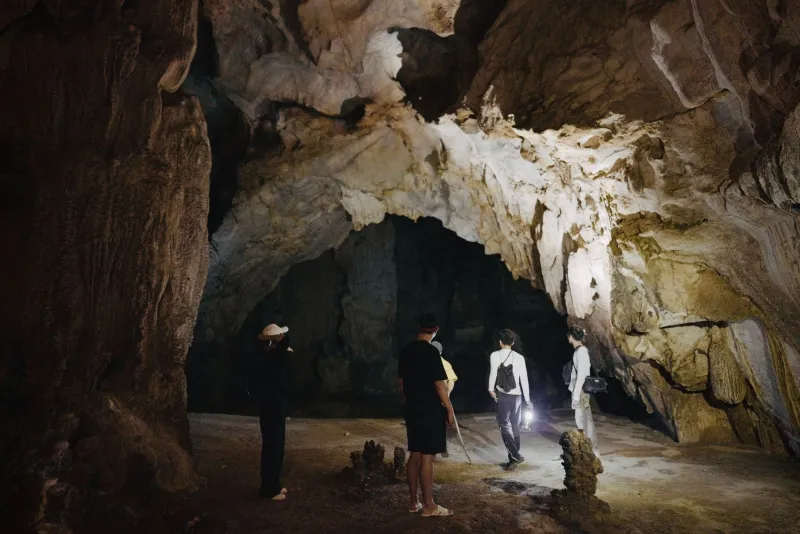
On a summer afternoon in Missouri's Meramec Valley, the parking lot outside Meramec Caverns fills with license plates from a dozen states. Each vehicle represents fuel purchased at a local station, lunches bought at a diner, perhaps a motel room booked in Sullivan or Stanton. Multiply that pattern across roughly 60 commercial caves operating in the United States, and the result is an economic engine that most county budgets never bother to itemize.
The Ledger Beneath the Gift Shop
Economists who study heritage tourism describe show caves as unusually resilient anchors. Unlike a ski resort or a beach town, a cave is not hostage to a bad winter or a hurricane season. Its core asset — a geological formation millions of years in the making — requires no inventory, no factory, and no restocking. What it does require is stewardship, and that is where the economics grow complicated.
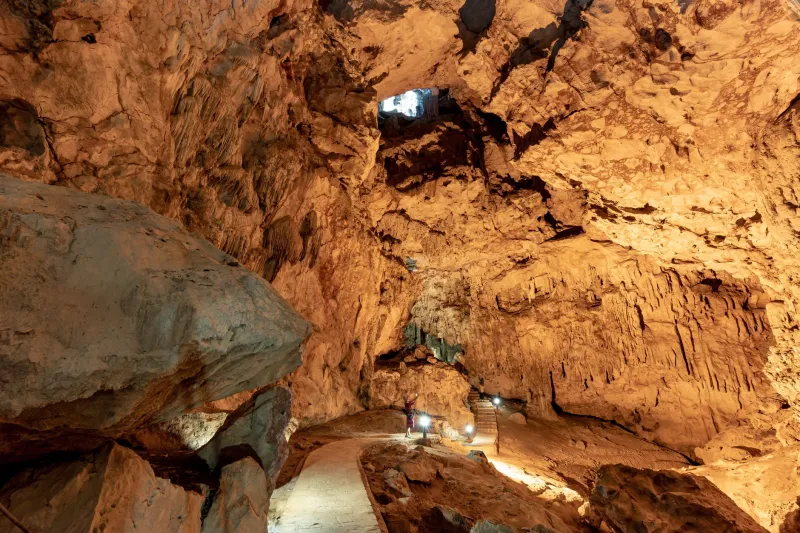
Luray Caverns in Virginia's Shenandoah Valley illustrates the scale possible when a cave becomes a destination. Opened to the public in 1878, Luray now draws hundreds of thousands of visitors annually, supporting not only its own staff but a surrounding cluster of attractions, restaurants, and lodgings along the Route 211 corridor. Local officials in Page County have long acknowledged that the caverns function as the county's de facto economic development office.
Payrolls, Taxes, and the Multiplier Effect
The direct figures are only the beginning. Industry analyses of heritage attractions typically apply a multiplier of 1.5 to 2.5, meaning every dollar spent at the ticket counter generates additional spending as wages circulate through the community. For a town like Stanton, Missouri — population under 300 — Meramec Caverns' payroll and the traffic it funnels to gas stations and motels constitute a meaningful share of the local tax base.
That revenue arrives with unusual consistency. Cave visitation skews toward summer families and spring school groups, but the shoulder seasons are stronger than those of many outdoor attractions because cave temperatures hold steady at roughly 55 to 60 degrees year-round. Owners note that rainy days, which gut attendance at zoos and amusement parks, often boost cave ticket sales.
The Sustainability Dilemma
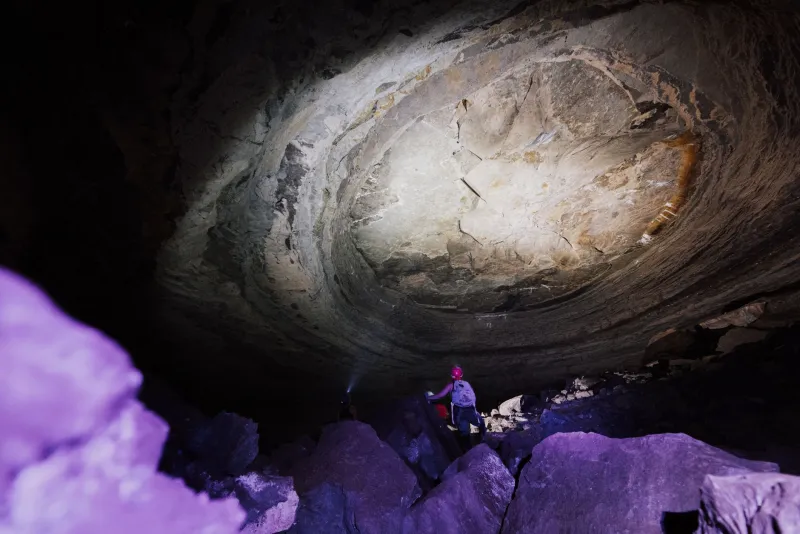
Yet the asset that generates this income is not inexhaustible in a commercial sense. Every visitor exhales carbon dioxide and carries in lint, spores, and oils. Lighting promotes algae growth on formations that took millennia to deposit. Speleologists refer to the cumulative damage as lampenflora, surface polishing, and condensation corrosion — processes that accelerate with foot traffic.
The tension between revenue and preservation is a running theme in conversations with cave operators. Some, like the owners of smaller family-run caverns in Tennessee and Arkansas, have deliberately capped tour sizes or invested in airlock entrances and LED systems that reduce thermal load. Others acknowledge that the calculus is harder when the cave is the town's largest employer.
A Model Under Pressure
Post-pandemic travel patterns have, if anything, strengthened the commercial cave sector. Road-trip tourism favors attractions reachable by car and priced accessibly, and show caves fit both criteria. But economists caution against complacency: visitation data from the National Caves Association suggests growth has plateaued at many established sites, while deferred maintenance on trails, elevators, and lighting systems represents a quiet liability.
The towns that depend on their caverns would do well to treat them the way a timber community treats a forest — as a yield-bearing asset whose long-term value depends on restraint today. In the economics of darkness, the most valuable resource is not the formations themselves, but the patience to keep them intact.