Stone Corridors of Resistance: What Speleological Science Is Revealing About Freedom's Underground Pathways
For generations, the story of the Underground Railroad has been preserved largely through oral tradition, fragmentary written records, and the memories of communities whose ancestors risked everything for freedom. What has remained comparatively unexplored is the geological dimension of that story — the specific physical characteristics of American cave systems that made certain passages navigable, certain chambers habitable, and certain rock formations essential tools of concealment. Today, a small but growing cohort of speleologists, archaeologists, and historians is beginning to examine that dimension with scientific rigor.
The intersection of cave science and this chapter of American history is not incidental. Across the mid-Atlantic states, the Appalachian corridor, and portions of the upper South, karst topography created a subterranean landscape that freedom seekers could, in some instances, exploit to evade pursuit. Understanding precisely how that exploitation worked — and what physical evidence it left behind — is now a legitimate area of speleological inquiry.
Why Karst Geography Created Corridors of Concealment
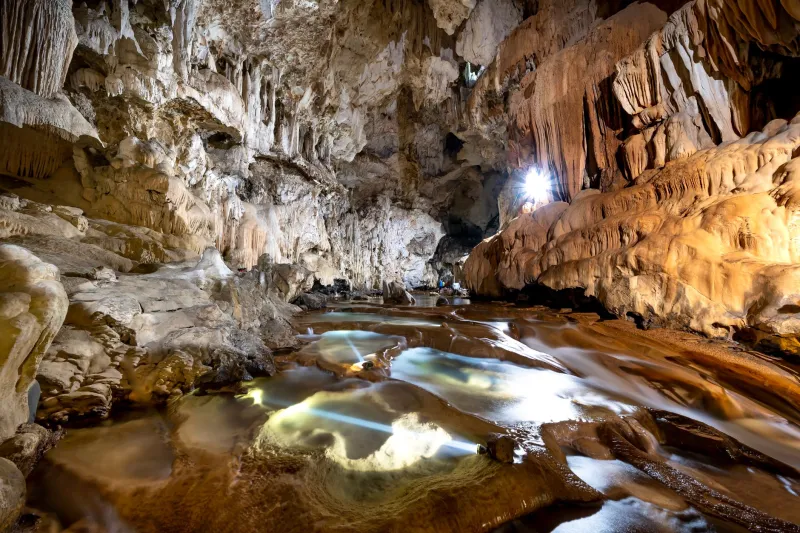
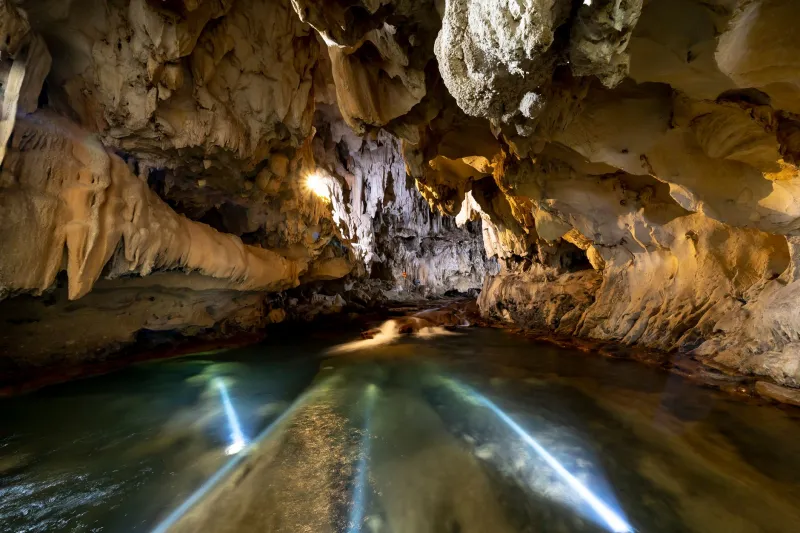
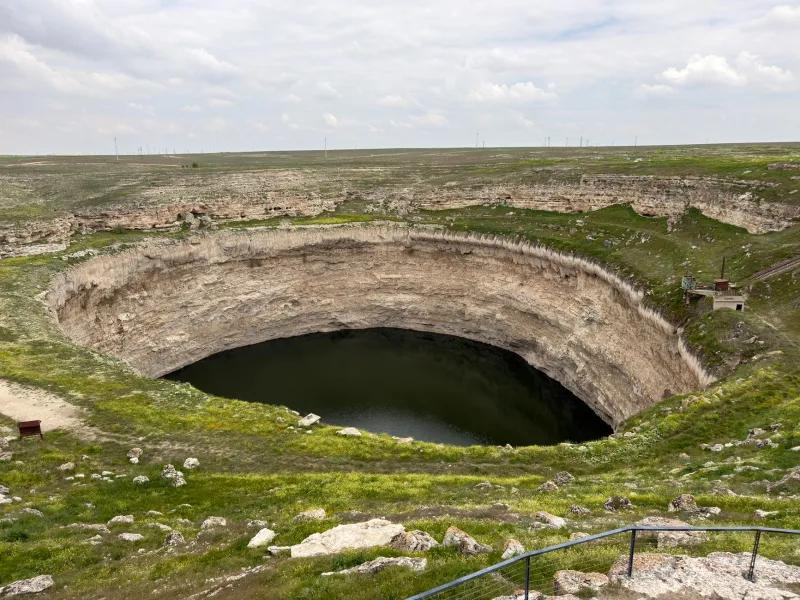
Karst terrain, formed through the dissolution of soluble bedrock such as limestone and dolomite, produces a distinctive suite of surface and subsurface features: sinkholes, disappearing streams, solution caves, and interconnected passage networks. These features are not uniformly distributed across the American landscape, but they concentrate heavily in regions that overlap significantly with the geography of slavery and resistance — western Maryland, the Shenandoah Valley of Virginia, central Kentucky, and portions of Tennessee and Missouri.
The geological properties that make karst caves attractive to researchers today made them functionally valuable to freedom seekers in the antebellum period. Natural cave entrances, often concealed beneath vegetation or behind stream cutbanks, provided access to chambers that maintained consistent temperatures regardless of season — typically between 50 and 60 degrees Fahrenheit across much of the eastern United States. This thermal stability was not merely comfortable; it was potentially life-preserving for individuals traveling in winter months without adequate clothing or shelter.
Equally significant is the acoustic isolation that cave passages provide. Sound transmission through thick limestone formations is highly attenuated, meaning that individuals concealed within a cave system could remain aurally invisible to searchers operating at the surface. Researchers studying the physics of sound propagation in cave environments have noted that even relatively shallow chambers can reduce surface noise to near-inaudible levels — a characteristic that would have had obvious strategic value.
Reading the Sediment Record
One of the more technically demanding aspects of this emerging research involves the analysis of sediment deposits within cave systems known or suspected to have been used during the Underground Railroad period. Sediment layers in caves accumulate slowly and preserve organic material, pollen, charcoal, and occasionally artifacts with considerable fidelity. Where historical records suggest use of a particular cave, sediment cores can sometimes confirm or complicate that account.
At several sites in the mid-Atlantic region, researchers have identified charcoal deposits and organic material consistent with the presence of small fires in cave chambers — fires that would have served primarily as heat sources rather than light sources, given the concealment requirements of the situation. Radiocarbon dating of these deposits has in some cases produced date ranges consistent with the antebellum period, though the inherent imprecision of radiocarbon dating for relatively recent samples requires careful interpretation.
Soil micromorphology — the microscopic analysis of sediment structure — has also yielded suggestive findings. Compaction patterns in clay-rich cave floors can indicate repeated human foot traffic, and in several examined sites, these patterns align with passage routes that would have connected cave entrances to interior chambers large enough for temporary habitation.
Mapping What History Left Behind
Modern cave mapping technology has transformed what researchers can observe and record in these environments. LiDAR scanning, photogrammetry, and three-dimensional passage modeling now allow scientists to document cave interiors at millimeter-scale resolution, capturing details that earlier survey methods would have entirely missed. Applied to historically significant cave sites, these tools are producing spatial records of extraordinary precision.
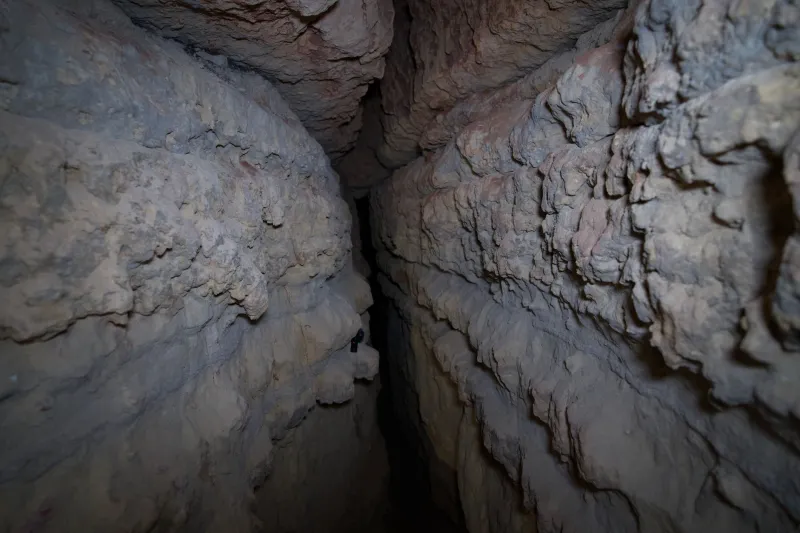
At one documented site in Kentucky — a state whose karst geology is among the most extensive in the nation — mapping teams have identified a sequence of passage modifications consistent with deliberate human alteration: stones repositioned to create level resting surfaces, narrow crawlways widened by the removal of breakdown material, and soot deposits on ceiling formations at heights suggesting the use of handheld torches or lanterns. None of these features is individually conclusive, but in aggregate, and in the context of corroborating historical documentation, they constitute meaningful physical evidence.
The challenge for researchers is methodological as much as technical. Cave environments are fragile, and the same formations that preserve historical evidence are vulnerable to disturbance by the research process itself. Investigators working at these sites are adopting protocols borrowed from both archaeological practice and cave conservation science, including the use of non-invasive scanning prior to any physical sampling and the strict limitation of access to trained personnel.
Community Knowledge and Scientific Method
Perhaps the most important methodological development in this area of research is the formal integration of community historical knowledge into the scientific investigation process. Descendant communities — particularly in regions with well-documented Underground Railroad histories — have preserved oral accounts that describe specific cave locations, passage characteristics, and navigational landmarks with a level of detail that no archival record provides.
Speleologists working on these projects have found that community knowledge frequently directs them toward cave features that would not otherwise have been prioritized for investigation. In several instances, oral accounts describing a "room beneath a spring" or a "passage behind the falls" have corresponded precisely to geological features confirmed by subsequent survey — spring-fed cave entrances or stream-cave systems concealed behind active waterfalls.
This collaborative model reflects a broader evolution in how cave science engages with humanistic disciplines. The geological record does not exist in isolation from the human communities that have inhabited, navigated, and depended upon cave environments across centuries. Integrating that human dimension into speleological research produces more complete and more historically accountable science.
The Significance of the Work
The research being conducted at the intersection of speleology and Underground Railroad history carries significance that extends beyond any individual finding. It demonstrates that cave systems are not merely geological objects but also cultural landscapes — spaces whose physical properties have shaped human decisions, human movements, and in this particular case, human survival. The stone that formed over millions of years through the slow dissolution of ancient seabeds became, in the antebellum period, a resource that some of the most vulnerable people in American history used to assert their freedom.
For the scientific community, the work underscores the value of interdisciplinary collaboration and the importance of approaching cave environments as archives of human as well as geological history. For the broader public, it offers a reminder that the landscape beneath our feet is not neutral — it has been a participant in the full complexity of American experience, including its most painful and most heroic chapters.
The caves endure. And increasingly, they have something to say.